Window Tint vs Sunshade: Which Keeps Your Car Cooler?
It is the question we hear all spring as the Triangle heats up: should I just buy a windshield sunshade, or is it worth tinting my windows? Both keep a car cooler, but they do it in different ways, and they are not really competing for the same job. Here is an honest breakdown so you can spend your money where it actually helps.
What a Windshield Sunshade Actually Does
A windshield sunshade is the folding or pop-up screen you wedge behind the glass when you park. It blocks direct sunlight from hitting your dashboard, steering wheel, and front seats while the car sits in a lot.
Sunshades work, and they are cheap. A good one can knock the dashboard and cabin temperature down noticeably on a hot day — enough that the steering wheel is touchable when you get back in. They are also portable, so you can move one between vehicles.
The catch is simple: a sunshade only does anything when the car is parked and you remember to set it up. It covers one window. The moment you pull it down and start driving, it is in the back seat doing nothing.
What Window Tint Does Differently
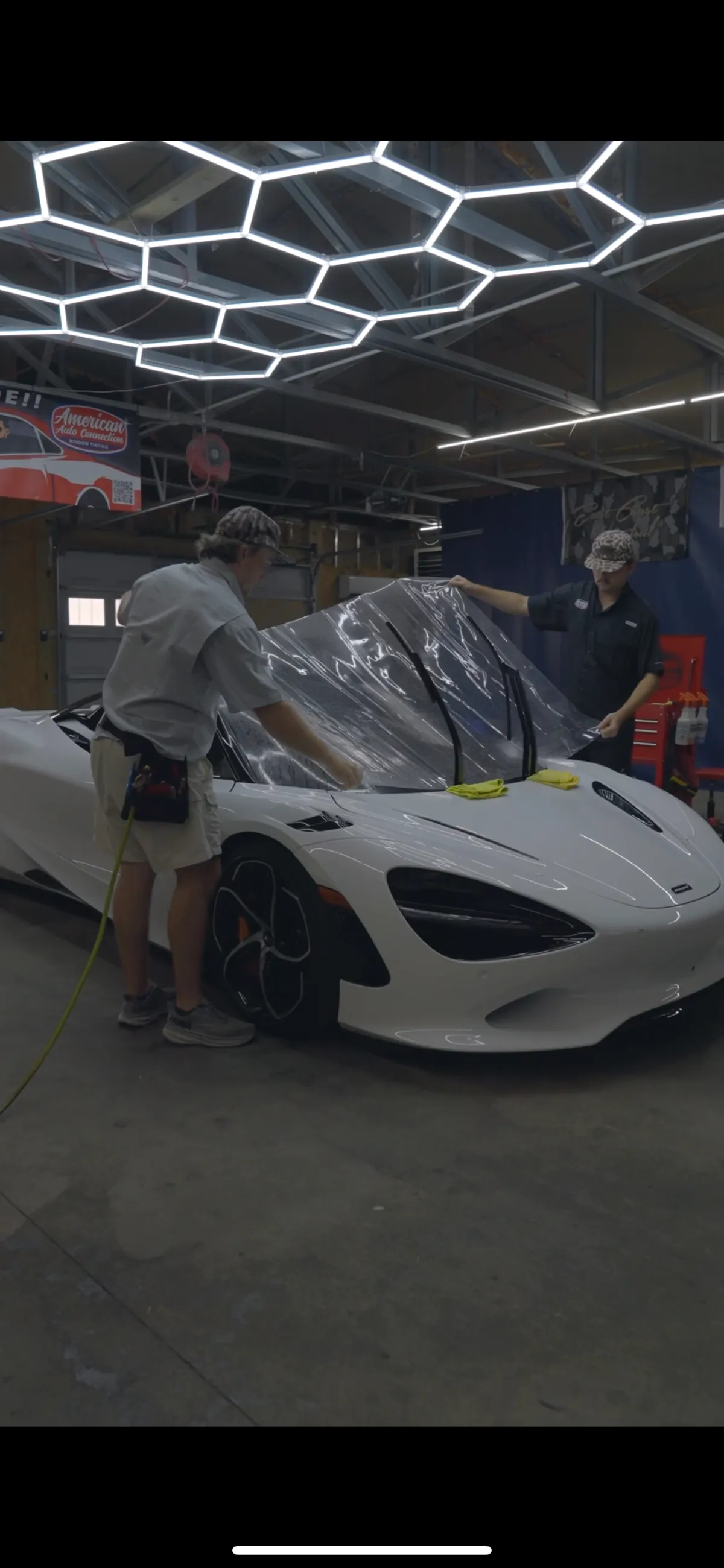
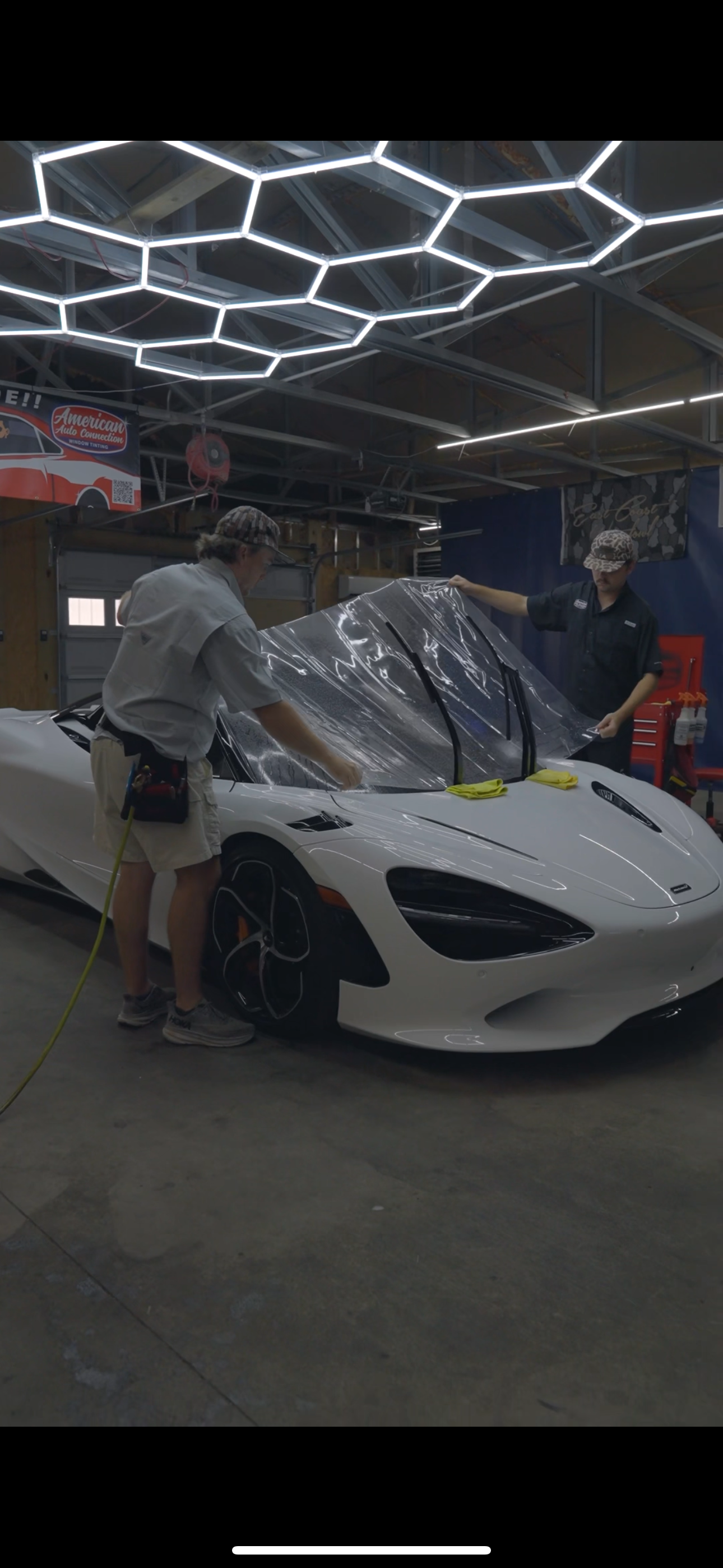
Window tint is a film bonded to the inside of your glass. It is not something you put up and take down — it is always working, on every window it covers, whether the car is parked at a Garner shopping center or rolling down I-40.
Tint reduces heat by rejecting solar energy before it ever enters the cabin. How much it rejects depends on the film. Dyed film blocks some light and a little heat. Ceramic film is the heavy hitter: it rejects a large share of infrared heat and blocks essentially all UV, without going darker than a basic dyed film. That is the difference between a window that just looks tinted and one that actually keeps the interior cooler.
Head-to-Head: Which Keeps Your Car Cooler?
When you are parked
This is the sunshade's best moment. On the windshield specifically, a sunshade can match or even beat tint, because the windshield can only be lightly tinted by law (more on that below). Pair a sunshade with tinted side and rear windows and a parked car stays meaningfully cooler than either option alone.
When you are driving
This is where it stops being close. A sunshade is useless once you are moving. Tint keeps rejecting heat and UV the entire drive — on your arms, on the kids in the back seat, on the seats and dash. For anyone with a commute or a car that lives outside, the driving hours are when the comfort difference is felt most.
The NC Heat Factor
This matters more here than people think. Long-range forecasts have Raleigh running warmer and drier than normal heading into summer 2026, with the first real heat waves expected by early to mid June. A car parked in an uncovered lot in Garner or Clayton in July can pass 130 degrees inside.
A sunshade helps with that initial blast of heat when you open the door. Tint helps the car cool down faster once the AC is running and keeps it from baking as hard in the first place. Over a full Triangle summer, that adds up to a more comfortable car and an AC system that is not working as hard.
Do You Actually Have to Choose?
No — and honestly, you should not think of it as either-or. The smartest setup is quality ceramic tint on the side and rear glass plus a sunshade for the windshield when you park. Tint handles the driving hours and every window it covers; the sunshade covers the one piece of glass tint legally cannot do much with.
If your budget only stretches to one this season, here is our honest take: a sunshade is a fine ten-dollar stopgap, but it is a convenience item, not a real fix. Tint is the upgrade that changes how the car feels every day. If you are deciding between a basic dyed film and ceramic, put the money toward ceramic — the heat-rejection gap is large and you only pay for installation once.
NC Tint Law in 30 Seconds
Before you tint, know the rules. North Carolina requires at least 32.5% visible light transmission on front side windows, so a legal car is never blacked out up front. Standard shop practice is 40% film over factory glass, which keeps the combined reading legal. Rear windows can go as dark as you want. The windshield only allows non-reflective tint down to the AS1 line — the top few inches — which is exactly why a sunshade still earns its place there.
If you want a car that stays cooler all summer instead of just for the first thirty seconds after you park, window tint is the real answer — and American Auto Connection installs ceramic film that holds up to NC heat for drivers across Garner, Raleigh, Cary, Apex, and Clayton. Call us at (919) 623-9450 and we will help you pick the right film before the worst of the summer hits.