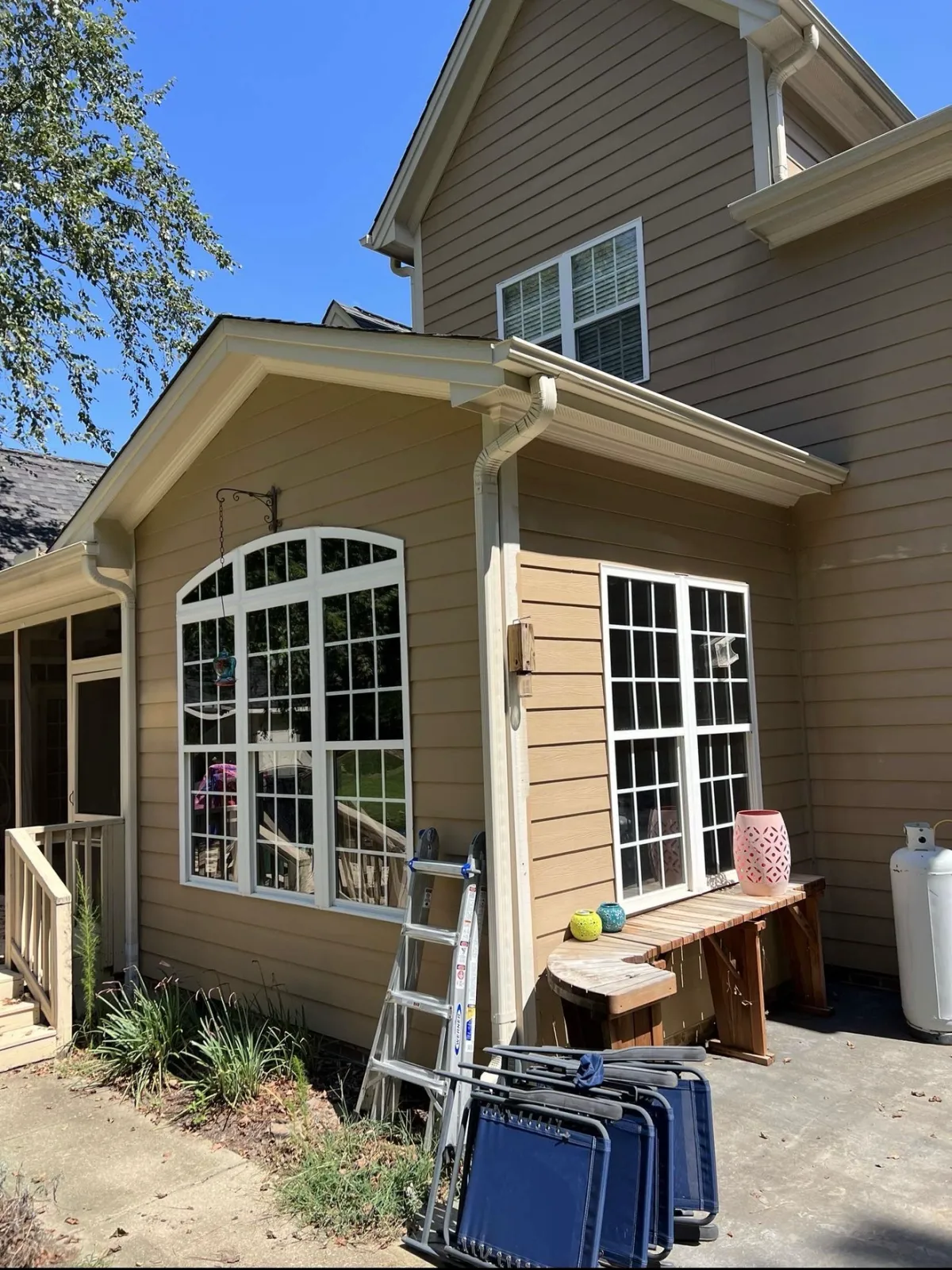
Does Window Film Lower Your Energy Bill in Raleigh?
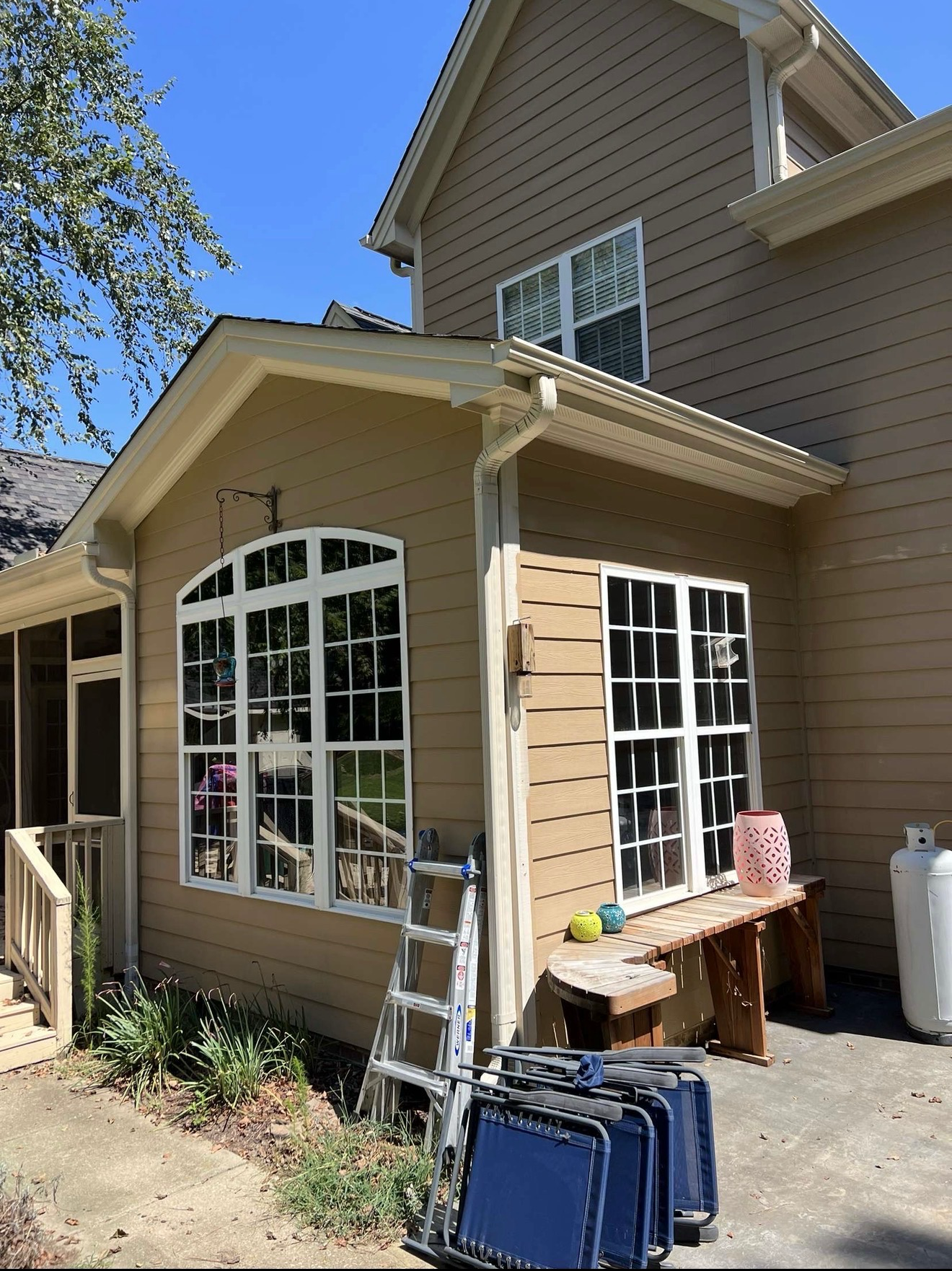
Your Windows Are Costing You More Than You Think
If your Duke Energy bill climbs every summer, your windows are probably a big reason why. In the Raleigh Triangle, where July and August regularly push past 95 degrees, untreated windows let solar heat pour straight into your home. Your AC runs harder, your thermostat fights a losing battle, and you pay for every minute of it.
Residential window tinting in Raleigh NC is one of the simplest ways to cut that cycle. Window film blocks a significant portion of solar heat before it enters your living space, which means your HVAC system runs less and your bill drops. The real question is how much — and whether the investment makes sense for your home.
How Window Film Actually Reduces Cooling Costs
Window film works by rejecting infrared energy — the part of sunlight that generates heat — while still letting visible light through. A quality ceramic film can reject 60 to 80 percent of infrared heat, depending on the product and the darkness level you choose.
That matters because windows account for roughly 25 to 30 percent of a home's heating and cooling energy use, according to the U.S. Department of Energy. In a climate like ours, where cooling dominates from May through September, reducing solar heat gain through glass can lower your cooling costs by 5 to 15 percent annually.
For a Raleigh-area homeowner spending $200 to $300 a month on electricity during peak summer, that translates to real savings — typically enough to pay back the cost of the film within two to three years.
Which Film Types Work Best for NC Homes
Not all residential window films are the same, and the right choice depends on what you need most.
Ceramic film is what we install most often for Triangle homeowners. It uses nano-ceramic particles instead of metal to block heat, so it does not interfere with cell signals or Wi-Fi. It rejects heat effectively while keeping your windows looking clear and natural from both sides. Most ceramic films also block 99 percent of UV rays.
Dual-reflective film offers stronger heat rejection and daytime privacy. The exterior side has a reflective appearance that bounces solar energy away, while the interior side stays neutral. This works well for south- and west-facing windows that take direct afternoon sun — common in neighborhoods across Garner, Clayton, and Cary.
Low-E film is an all-season option. It reduces heat gain in summer and helps retain interior warmth in winter by reflecting radiant heat back into the room. If your home has older single-pane or builder-grade double-pane windows, low-E film can improve their thermal performance without the cost of full window replacement.
What About UV Protection?
UV rays cause about 40 percent of all fading damage to furniture, hardwood floors, and artwork. Even windows that face north get enough indirect UV exposure to cause gradual damage over years. Quality residential film blocks 99 percent of UV radiation, which extends the life of your interior finishes significantly.
This is something homeowners in newer Raleigh subdivisions — places like 5401 North, Flowers Plantation in Clayton, or Amberly in Cary — often do not think about until they notice their hardwood floors changing color near south-facing windows.
What the Installation Looks Like
Residential window film installs on the interior surface of your existing glass. There is no construction, no window removal, and no disruption to your landscaping or exterior. A typical home with 10 to 15 windows takes about half a day.
After installation, the film needs a curing period — usually 15 to 30 days depending on temperature and humidity. During curing you might see small water pockets or a slight haze. That is normal and clears completely as the adhesive dries.
Once cured, the film is low-maintenance. Clean it with a soft cloth and a mild, ammonia-free cleaner. That is it.
Is It Worth It for Your Raleigh Home?
The honest answer depends on a few things. Homes with large windows, south- or west-facing glass, or older windows without low-E coatings will see the biggest impact. If your home already has high-performance triple-pane windows with factory low-E, the improvement will be smaller.
But for the majority of homes in the Triangle — especially those built in the last 10 to 20 years with standard double-pane glass — residential window film delivers a noticeable difference in comfort and a measurable drop in cooling costs. Most of our customers tell us they feel the difference the same day, particularly in rooms that used to be uncomfortably warm in the afternoon.
The energy savings compound over time, the UV protection preserves your interior, and the film typically lasts 15 to 20 years with a manufacturer warranty to back it up.
See What Window Film Can Do for Your Home
If your energy bill spikes every summer or certain rooms in your house are always too warm, residential window film is worth looking into. We install ceramic and dual-reflective films for homeowners across Garner, Raleigh, Cary, Clayton, Apex, and Holly Springs. Give us a call at (919) 623-9450 to talk through your windows and get a straightforward estimate.