The First 48 Hours After Tint: What You Can and Can't Do
The First 48 Hours After Tint Decide How Long It Lasts
You just dropped your car off in Garner, picked it up a couple hours later, and now the windows look great. The hard part is over — but the next two days actually matter more than most people think. Window tint care after installation is the difference between film that looks sharp for ten years and film that bubbles at the edges in two months.
Here is exactly what we tell every customer when they pull out of our shop, whether they are heading back to Clayton, Apex, or downtown Raleigh.
Why the First 48 Hours Are Different
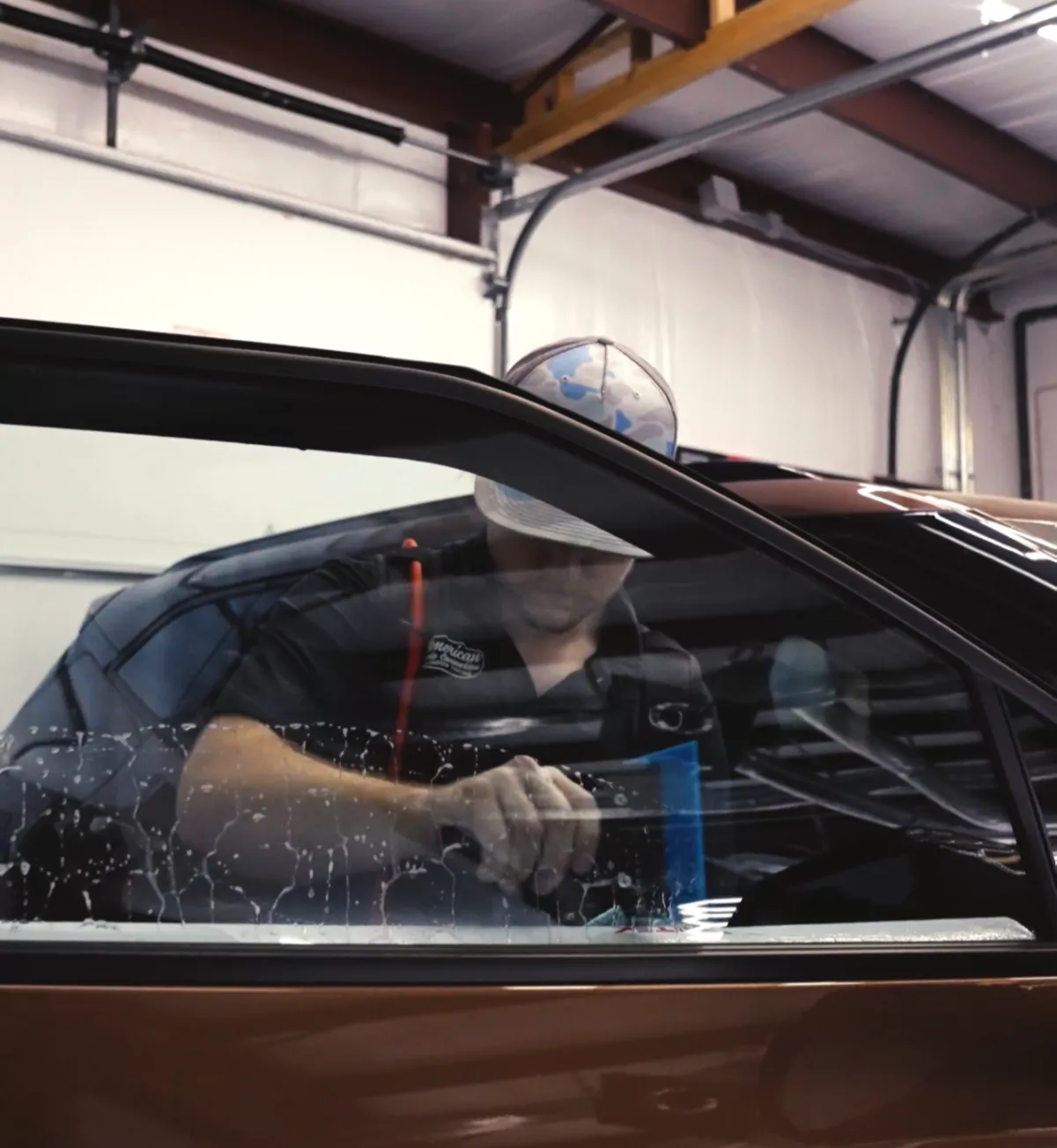
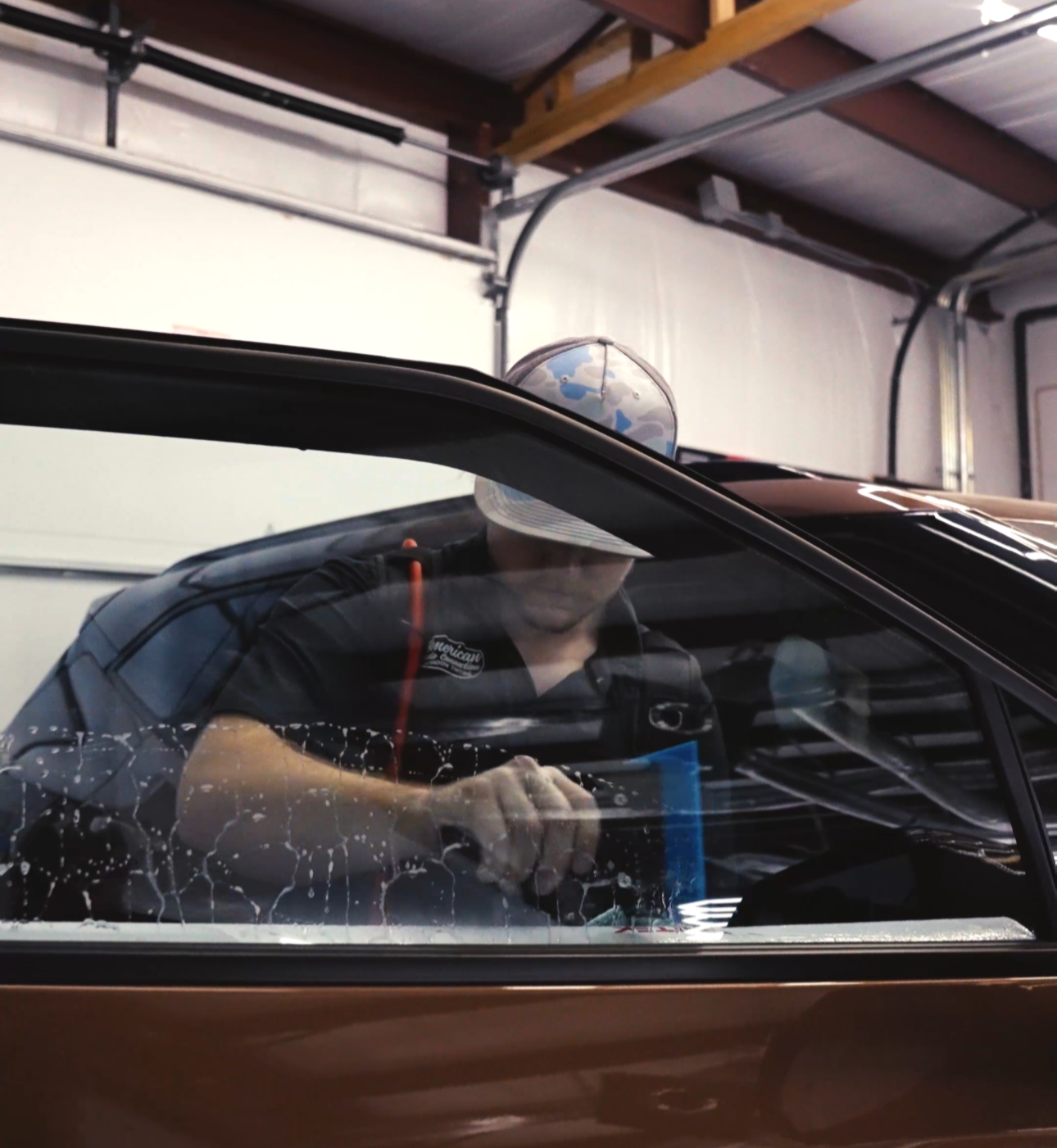
When we install window tint, we use a water-based slip solution to position the film on the glass. Once we squeegee it down, the adhesive starts bonding to the glass — but a thin layer of moisture stays trapped between the film and the window. That moisture has to evaporate through the film itself, which is why you might see a hazy or cloudy look, or small water bubbles, in the first few days.
This is normal. It is physics, not a defect. The film is still healing. Anything that disturbs that healing process — rolling the window, scrubbing the glass, parking in extreme conditions — can leave you with a permanent problem.
What You Can't Do
These are the four things to avoid for the first 48 hours, no exceptions.
1. Don't Roll Down the Windows
This is the big one. Rolling the windows down before the adhesive sets pulls the film against the door seal and can peel the edges back. We tell customers to wait at least 3 to 4 days in normal Raleigh weather, and longer if it has been humid or rainy. Ceramic films and high-performance films can take closer to 5 days because the adhesive is denser.
If you absolutely have to lower a window — say, for a parking garage ticket — crack it an inch and put it back up immediately. Then plan to wait an extra day before treating it as normal.
2. Don't Clean the Inside of the Windows
For the first 72 hours, leave the inside of the glass alone. The film is still adhering, and any pressure from a towel, paper towel, or cleaning cloth can shift it. If you see water beads or a smudge, ignore it. It will dry out and clear up on its own.
3. No Car Washes — Especially Touchless Ones Aren't Safer
You can run your car through a touchless wash after 48 hours if you must, but we recommend giving it a full week. The high-pressure jets can hit weak edges, and the chemical pre-soak can soften adhesive that is not fully cured. Hand washing the exterior is fine — just keep water off the freshly tinted edges of the door glass.
4. Don't Stick Anything to the Windows
No phone mounts, suction cups, parking stickers, dash cam mounts, or anything else attached to a freshly tinted window for at least two weeks. The adhesive in those accessories can grab the top layer of the tint and lift it when you remove them.
What's Normal and What's Not
The cloudiness, water bubbles, and slight haze you see in the first week are normal. Park the car in the sun and the curing speeds up — North Carolina heat actually helps here. Most customers see clear film within 3 to 7 days. In humid stretches or cooler weather, it can stretch to 10 to 14 days.
Here is what is not normal:
- Bubbles that are white or opaque instead of clear — those are trapped air, not water, and they will not go away on their own
- Film that is peeling at the edges or lifting from the glass
- Film that is still cloudy after two full weeks of normal weather
- Visible debris like hair or dirt under the film
If you see any of those after the cure window, call us. Anything covered under your warranty gets handled at no cost.
The NC Heat Is Actually Your Friend
Garner summers — and the long warm stretches from May through September — are good for tint cure. The heat speeds up evaporation through the film. Park in direct sun for an hour or two each day during the cure window and you will be done faster than someone curing tint in Seattle.
Where humidity slows things down is on the inside. If you run the AC nonstop with the windows up, the inside cabin stays cool and dry, which actually helps. The combination of warm exterior glass and a dry interior is close to ideal.
After the Cure Window — Normal Care
Once you are past the 5 to 7 day mark, your tint cleans like any other window with two rules: use ammonia-free cleaner, and use a microfiber towel. Ammonia breaks down tint adhesive over time and can cause discoloration. Glass Plus, Sprayway Glass Cleaner, or any cleaner labeled tint-safe works fine.
For the dash and door seals near the glass, wipe carefully — you do not want streaks of dressing or vinyl protectant running onto the bottom edge of the film.
Quick Reference for Your First Week
- Day 1-2: Windows up. No cleaning. No car wash. No accessories on the glass.
- Day 3-4: Windows can come down briefly if needed. Still no cleaning of the inside glass.
- Day 5-7: Normal driving. Touchless car wash okay. Inside cleaning fine with ammonia-free cleaner.
- Week 2+: Treat the windows like any other glass. Most haze and water bubbles should be gone.
Questions Come Up — Just Ask Us
Every car, every film, and every install has its own quirks. If something looks off after a few days, do not wait it out hoping it will fix itself. We would rather you call and ask than discover a problem six months later when the warranty conversation gets harder.
If you got your tint done at our shop in Garner, the lifetime warranty covers manufacturer defects on every film we install. We are here Monday through Saturday — give us a call at (919) 623-9450 and we will walk through what you are seeing.